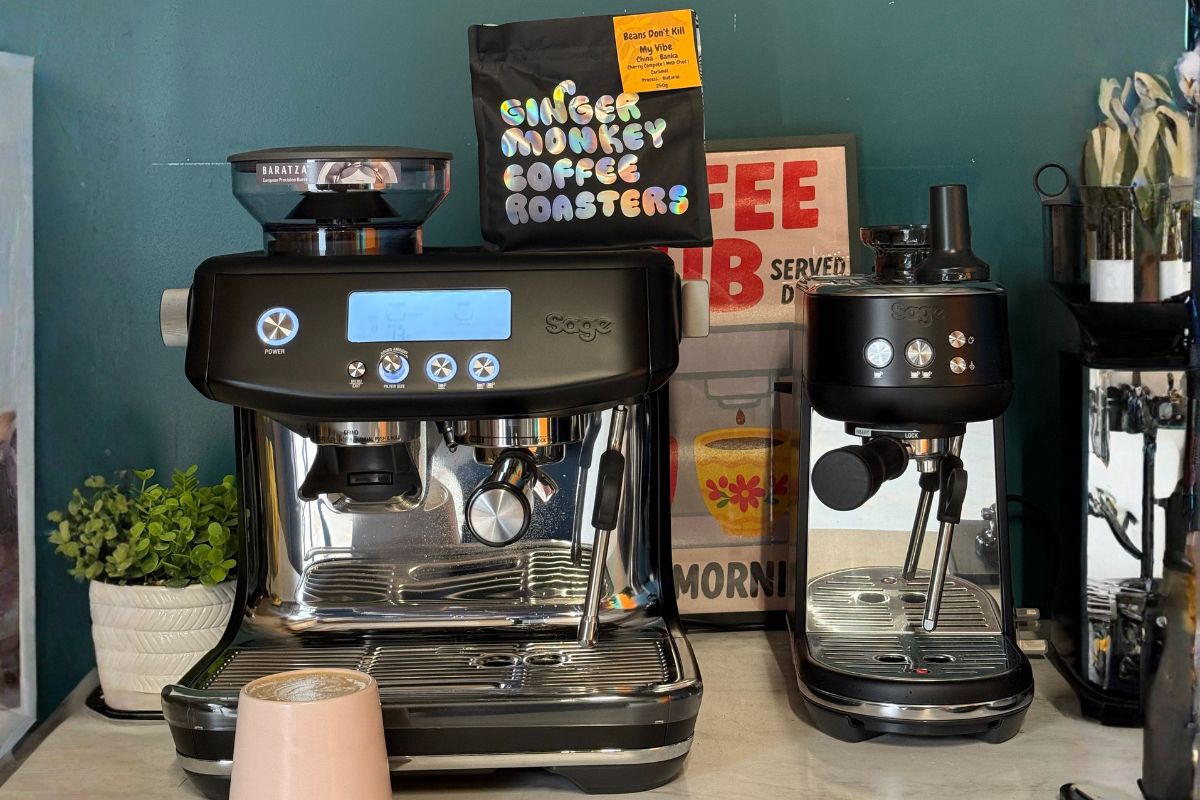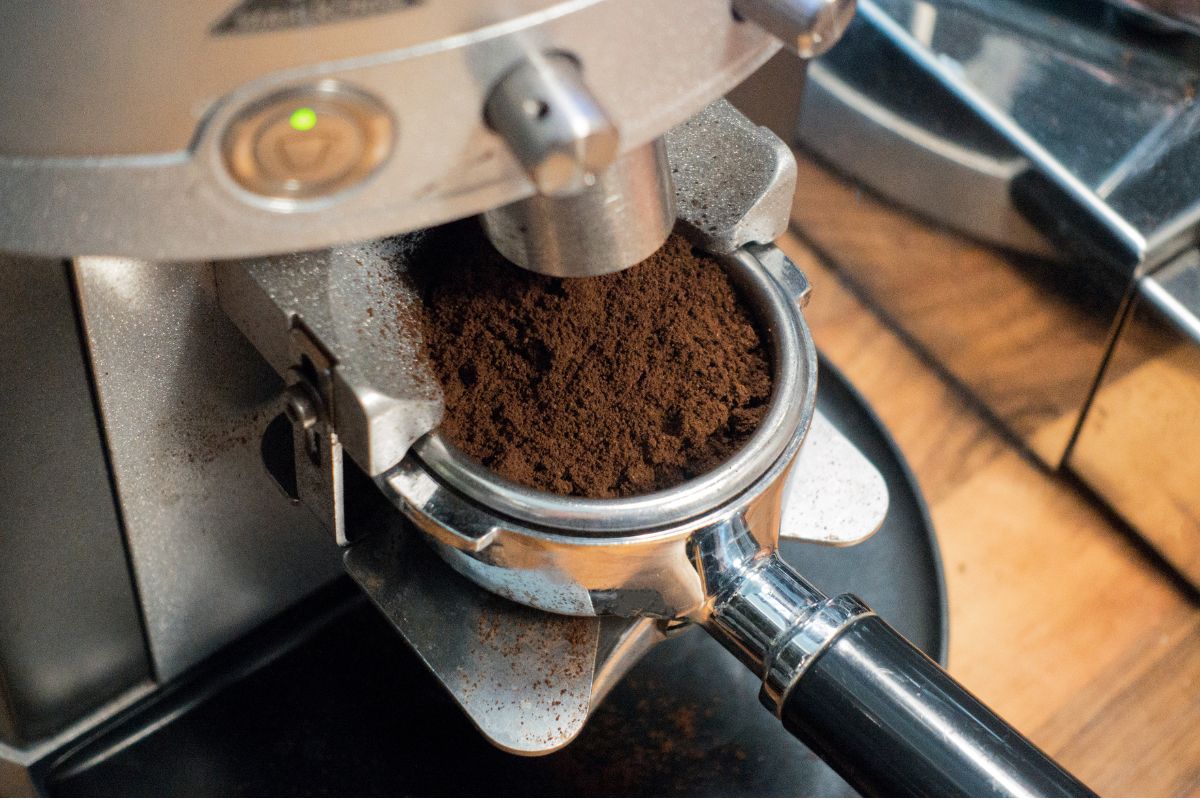

Every great espresso actually begins long before the coffee reaches your cup. While many people focus on the coffee machine itself, the grinder plays an equally important role in achieving a balanced and flavourful shot.
The way your coffee bean grinder is set up directly affects extraction, taste and consistency. Even small adjustments to grind size or dose can have a noticeable impact on the final result. A shot that tastes bitter, sour or weak is often the result of grinder settings that need fine-tuning.
By understanding the relationship between grind size, coffee dose and espresso extraction, can help you make better coffee at home and get more from your beans.
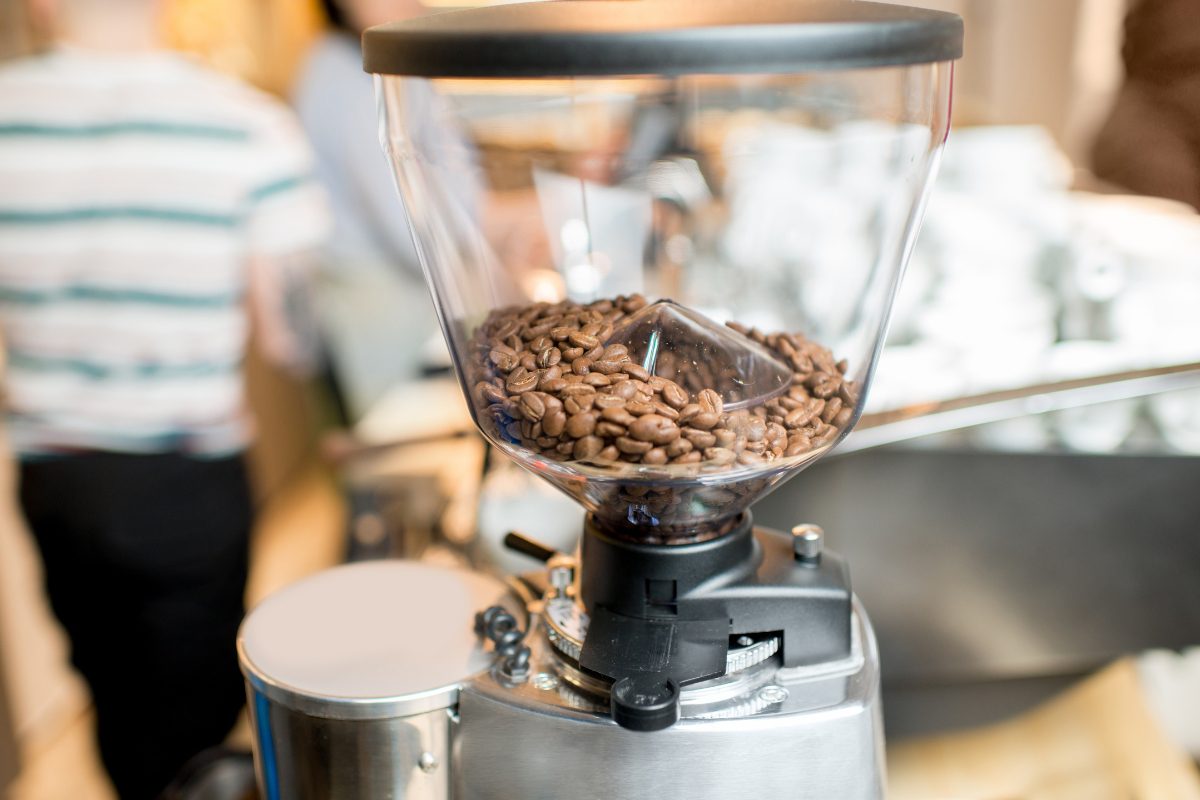
When preparing espresso, the grinder is responsible for producing coffee particles that allow water to flow through the coffee puck at the correct speed.
If the grind is too coarse, water will pass through too quickly and fail to extract enough flavour – Think of it like water running through a pile of stones down a waterfall. And if the grind is too fine, the water will struggle to pass through, thus resulting in over extraction and bitterness.
What this all means is that the consistency is equally important. If your grinder produces uneven particle sizes, each shot may taste different even when using the same coffee beans.
Proper grinder setup helps create repeatable results. Once you understand how adjustments affect flavour and extraction, it becomes much easier to achieve a balanced espresso on a regular basis.
The key is to make gradual adjustments and test-as-you-go with the results, rather than making large changes all at once.
For many home and commercial baristas, 18g of coffee is a reliable starting point when preparing a double espresso.
While the ideal dose can vary depending on the coffee and the portafilter basket size, 18g is widely used because it provides a good balance between flavour, extraction and workflow.
You can use scales as this is one of the simplest ways to improve consistency. Measuring your coffee by eye may seem convenient, but even the smallest of variations can affect extraction time and flavour.
By weighing each dose accurately, you will succeed at creating a reliable starting point for comparison. This makes it easier to understand how changes to grind size affect the final result.
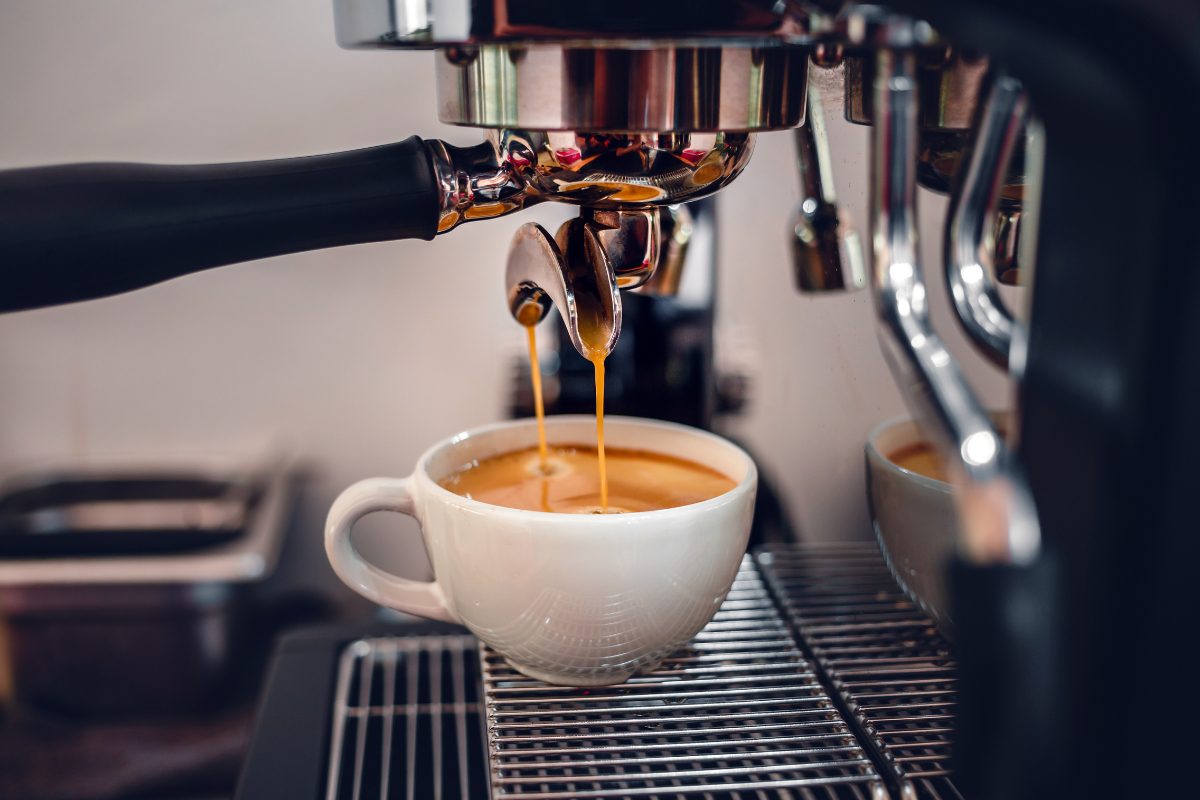
Espresso extraction time refers to the amount of time it takes for water to pass through the coffee and produce your shot.
For most espresso recipes, a target extraction time of around 25 to 35 seconds is considered a good starting point as this timeframe often produces a balanced cup with beautiful sweetness, acidity and body. However, the exact timing may differ depending on the coffee beans being used.
So if a shot pours too quickly, it may be under extracted which often tastes sour, thin or lacking in sweetness. Whereas if a shot takes too long, it may be over extracted which can make the espresso taste bitter, harsh or dry.
Many grinders allow users to grind coffee based on a timed setting. This can be a useful way to speed up workflow once your grinder has been properly calibrated.
To calculate grinder timing, begin by weighing the amount of coffee produced during a timed grind. For example, if your grinder produces 20g of coffee in ten seconds, you can adjust the timer to achieve your desired 18g dose more accurately.
Keep in mind that you may need to repeat this process several times before achieving consistent results.
Also keeping notes can be extremely helpful as recording; grind times, coffee doses and extraction results will allow you to identify patterns and make future adjustments more confidently.
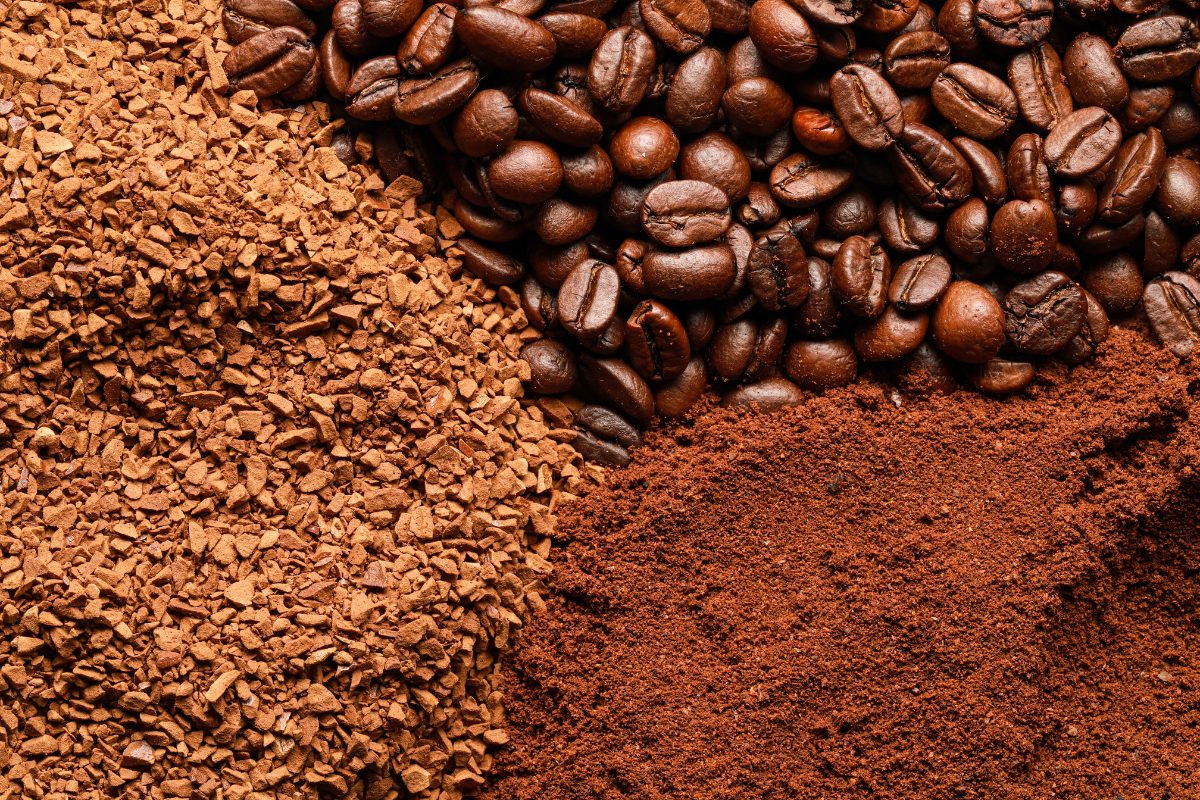
As mentioned further up, grind size is one of the most important variables in espresso preparation.
Just to drill it in even more – If your shot is running too quickly, the grind is usually too coarse. Making the grind slightly finer will slow the flow of water and increase extraction.
If your shot is taking too long, the grind may be too fine. In this case, adjusting to a slightly coarser setting can improve flow and balance.
Saying it louder for the back – The most important rule is to make small adjustments. Large changes can make it difficult to understand how each adjustment affects the result.
After every adjustment, prepare another shot and evaluate the extraction time, yield and flavour before making further changes.
But remember, when adjusting your espresso grinder settings, remember that some coffee remains inside the grinder after each change. Pulling and discarding a shot after making an adjustment helps clear out any grounds from the previous setting, allowing you to accurately assess the effect of the new grind size on espresso extraction.
A fine grind contains smaller coffee particles that create greater resistance to water flow.
Because the water moves more slowly through the coffee, extraction increases. This can help improve sweetness and body when the grind is adjusted correctly.
However, if the grind becomes too fine, extraction may become excessive, leading to bitterness and unpleasant flavours.
A coarse grind contains larger particles that allow water to flow more easily, which can reduce extraction time and produce a lighter tasting espresso. When the grind is too coarse, flavours may appear weak, sour or underdeveloped.
So, finding the correct grind size is all about balance to be able to achieve the goal of a flow rate that delivers the best flavour from your chosen coffee.
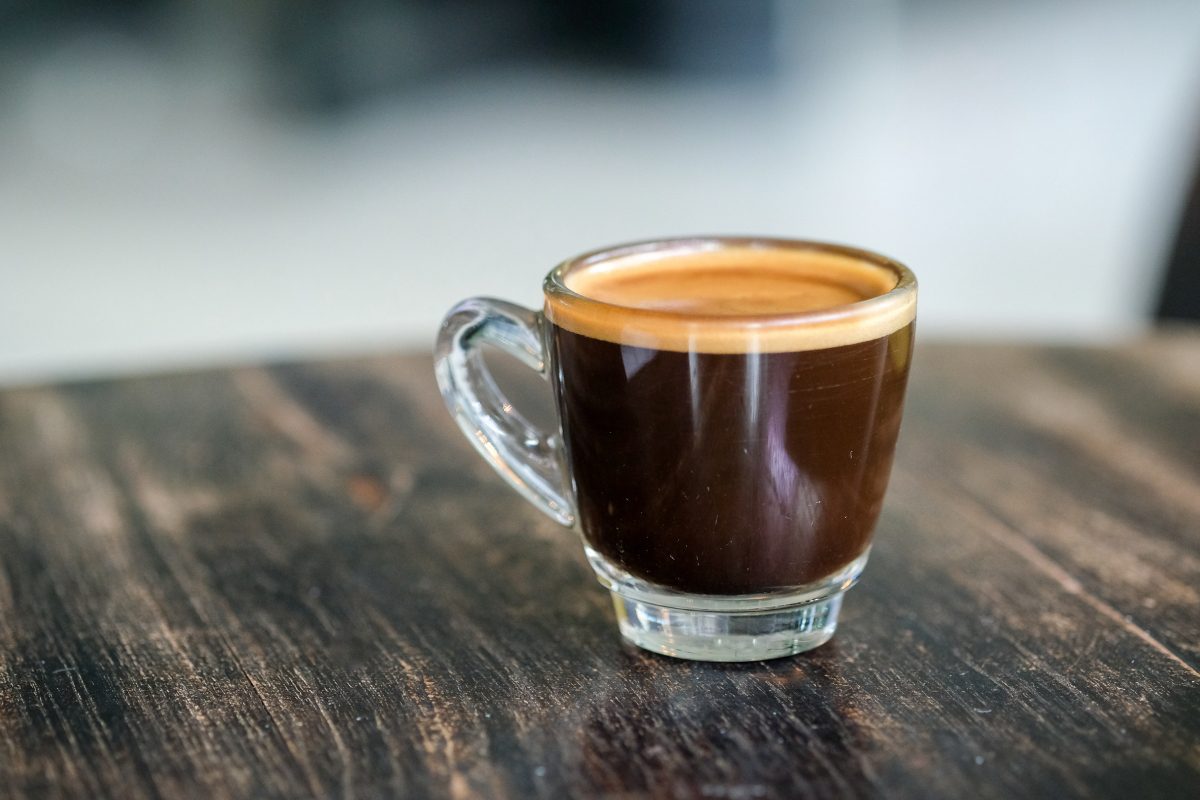
“Dialling in espresso” is the process of refining your settings to achieve the desired flavour and extraction.
A simple approach is to keep your dose consistent at 18g, prepare a shot and measure both extraction time and yield.
Then taste the espresso carefully and assess its balance, if the shot tastes sour and extracts quickly, try a slightly finer grind. If it tastes bitter and extracts slowly, make the grind slightly coarser.
By recording each adjustment, it will allow you to track your progress and avoid repeating the same mistakes. And over time, you will develop a better understanding of how different coffee beans respond to changes in grind size and extraction.
Patience is important. Even experienced baristas often need several attempts before finding the ideal settings for a new coffee.
One of the most common mistakes is using inconsistent coffee doses. Without accurate measurements, it becomes difficult to understand why results vary from shot to shot.
Another common issue is making large grind adjustments, as small changes are usually all that is needed to improve extraction.
Also many beginners focus solely on taste, while ignoring extraction time and yield. Measuring these variables provides valuable information that helps guide adjustments.
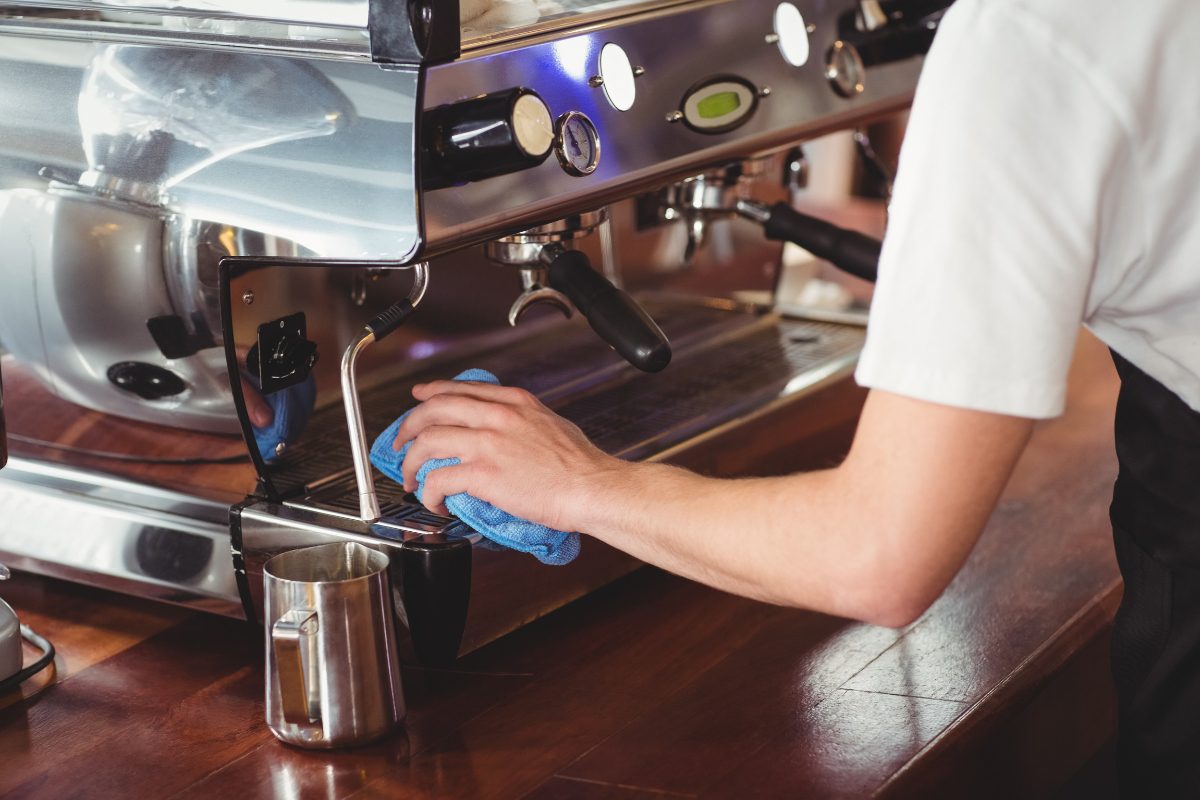
Finally, regular maintenance should not be overlooked. Coffee oils and residue can build up inside the grinder over time, affecting performance and consistency.
Setting up a coffee bean grinder correctly is one of the most effective ways to improve espresso quality at home. By focusing on consistent dosing, appropriate grind size and accurate espresso extraction, you can achieve more reliable and enjoyable results.
Remember to make gradual adjustments, keep notes and give yourself time to learn what works best for your chosen coffee. With regular practice and careful dialling in espresso, great coffee becomes much easier to achieve.
If you would like expert advice on coffee equipment, beans or brewing techniques, contact the team at Ginger Monkey Roasters today. We are always happy to help you get the very best from your coffee setup!!