
Choosing the right coffee grinder can make a difference to your daily brew that is undoubtedly noticeable. While it might be tempting to focus solely on the coffee beans or brewing equipment, how those beans are ground also plays a big part in the flavour you get in your cup.
When comparing a blade grinder vs burr grinder, the biggest difference there is, is the control. While blade grinders are generally more affordable and straightforward, burr grinders offer greater control over grind size and consistency.
So, which one is right for you? Let’s take a closer look at how each grinder works, what they offer and which could be the best coffee grinder for your brewing routine.
Before brewing your dream cup of coffee, whole beans need to be broken down into smaller particles. The size of those particles affects how quickly the coffee extracts, which in turn affects the taste and quality of the coffee. This is why choosing the right grind size is important.
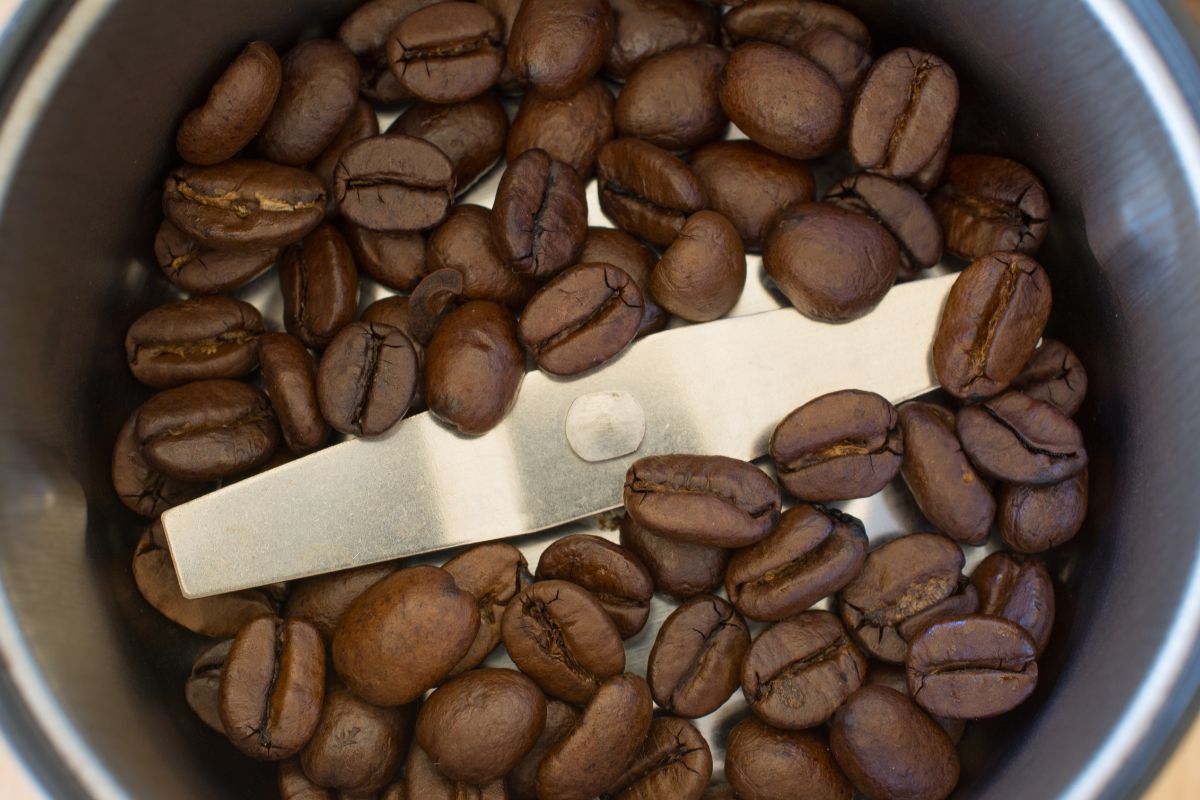
A blade coffee grinder uses a spinning blade to chop the beans into smaller pieces. The longer you grind, the finer the coffee generally becomes, although the resulting particles can vary considerably in size.
A burr coffee grinder, on the other hand, crushes the beans between two grinding surfaces called burrs. These can be adjusted to produce a specific grind size, giving you much greater control over the final result.
In simple terms, blade grinders tend to be cheaper and easier to use, while burr grinders offer greater precision and coffee grind consistency.
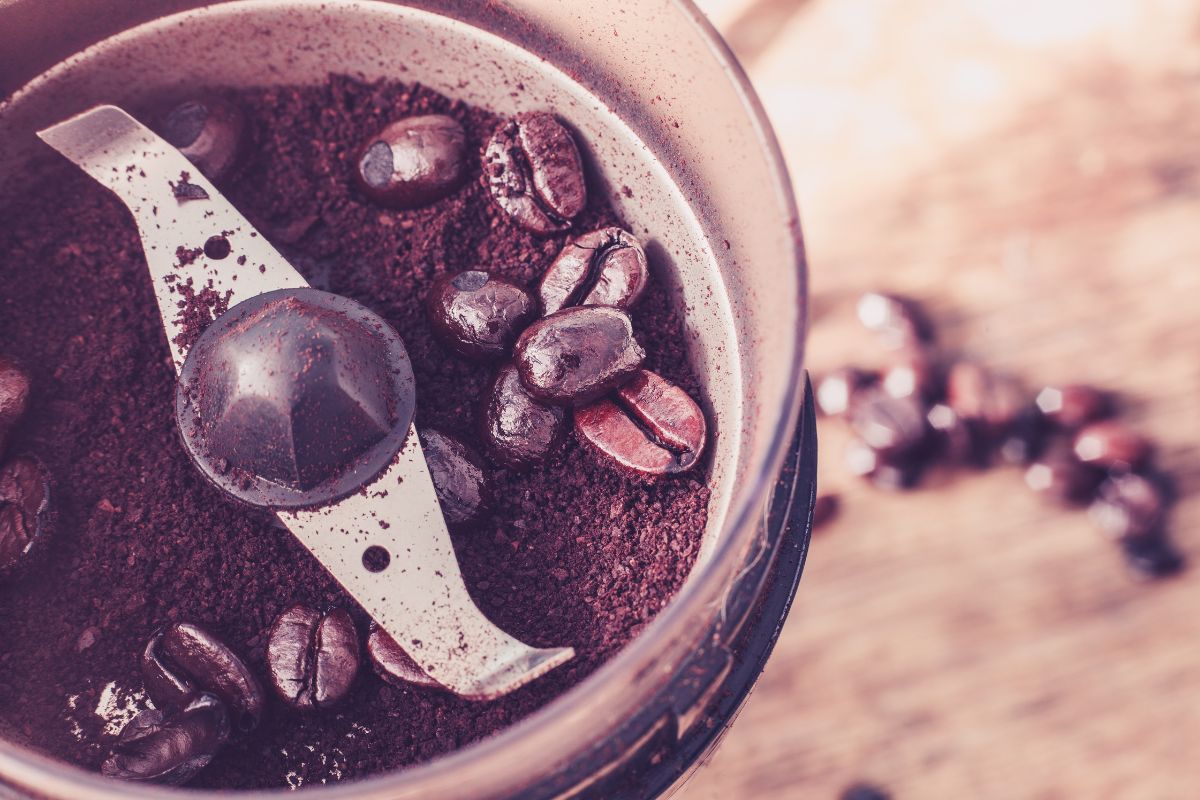
Blade grinders are relatively simple. Add your coffee beans, press the button and the spinning blade chops them into smaller pieces.
You can influence the grind by adjusting how long you run the grinder for. Shorter bursts tend to produce a coarser grind, whereas longer grinding creates finer particles. Also by pulsing the grinder rather than running it continuously can help prevent the beans from simply being pushed around the chamber.
The main disadvantage is consistency. Because the blade chops rather than precisely grinds the beans, you can end up with a mixture of fine and coarse particles.
However, that doesn’t necessarily make a blade grinder a bad choice. They’re compact, affordable and easy to operate, making them suitable for occasional coffee drinkers or anyone who wants to grind their beans without investing heavily in equipment.
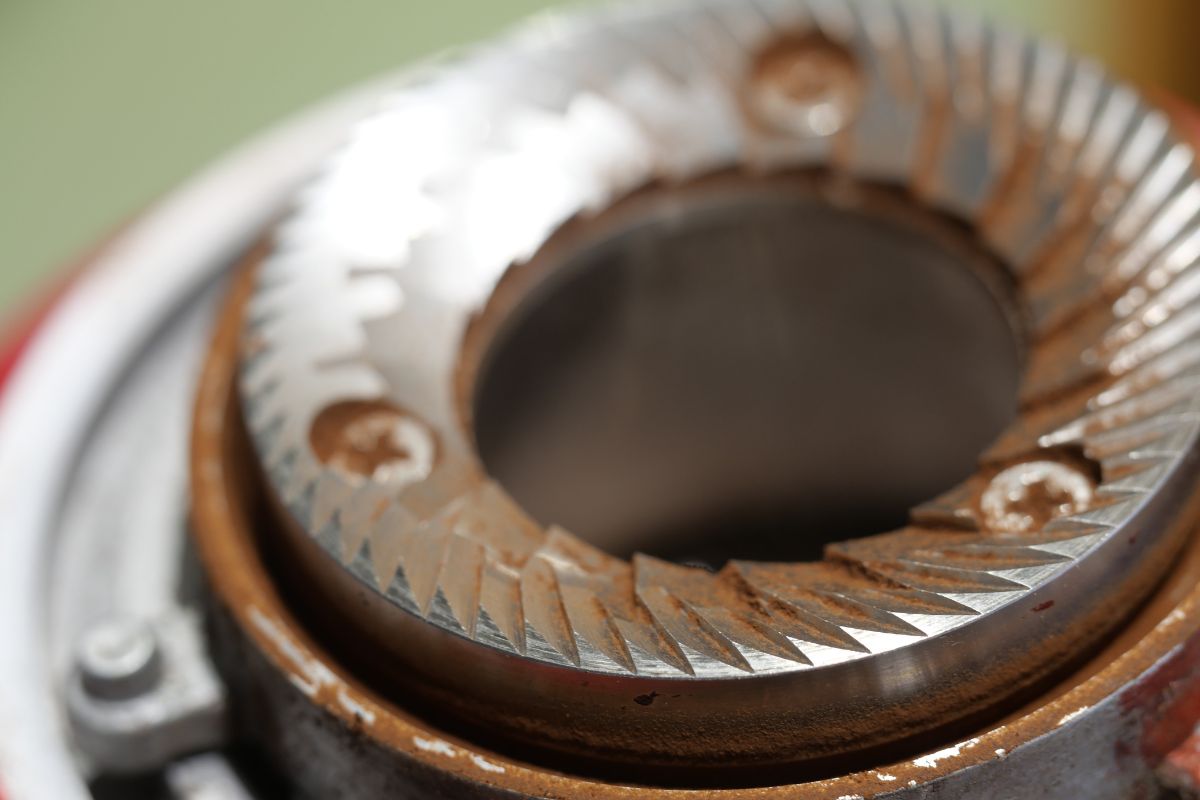
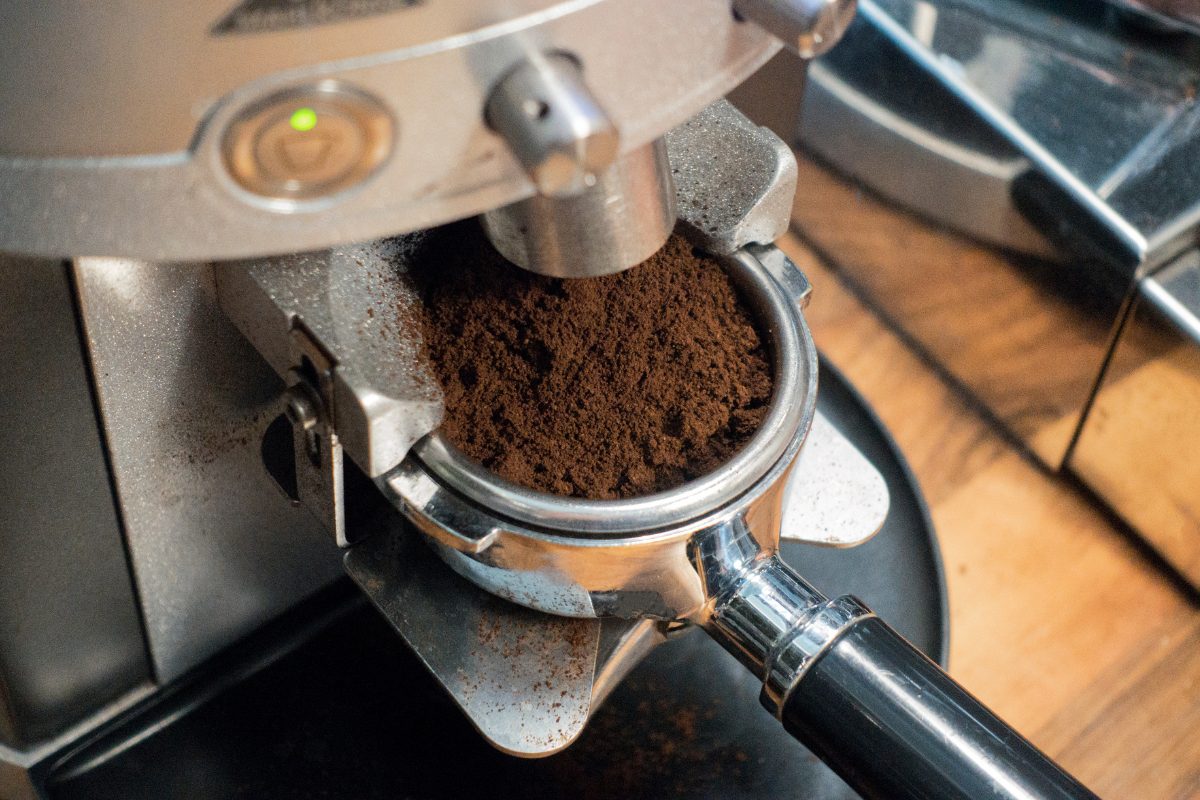
Burr grinders take a more controlled approach. Rather than chopping the beans with a spinning blade, they crush them between two burrs set to a particular distance.
There are two main types: flat and conical burrs. Both can produce consistent results, although their design and performance can vary between individual grinders.
The major advantage is control. You can adjust the burrs to achieve the grind size required for your chosen brewing method, whether that’s a coarse grind for a cafetière or a much finer grind for espresso.
This is one reason burr grinders are often preferred by baristas and more frequent home coffee drinkers. When consistency and control are important, a burr grinder makes it easier to repeat the same recipe and achieve similar results from one cup to the next.
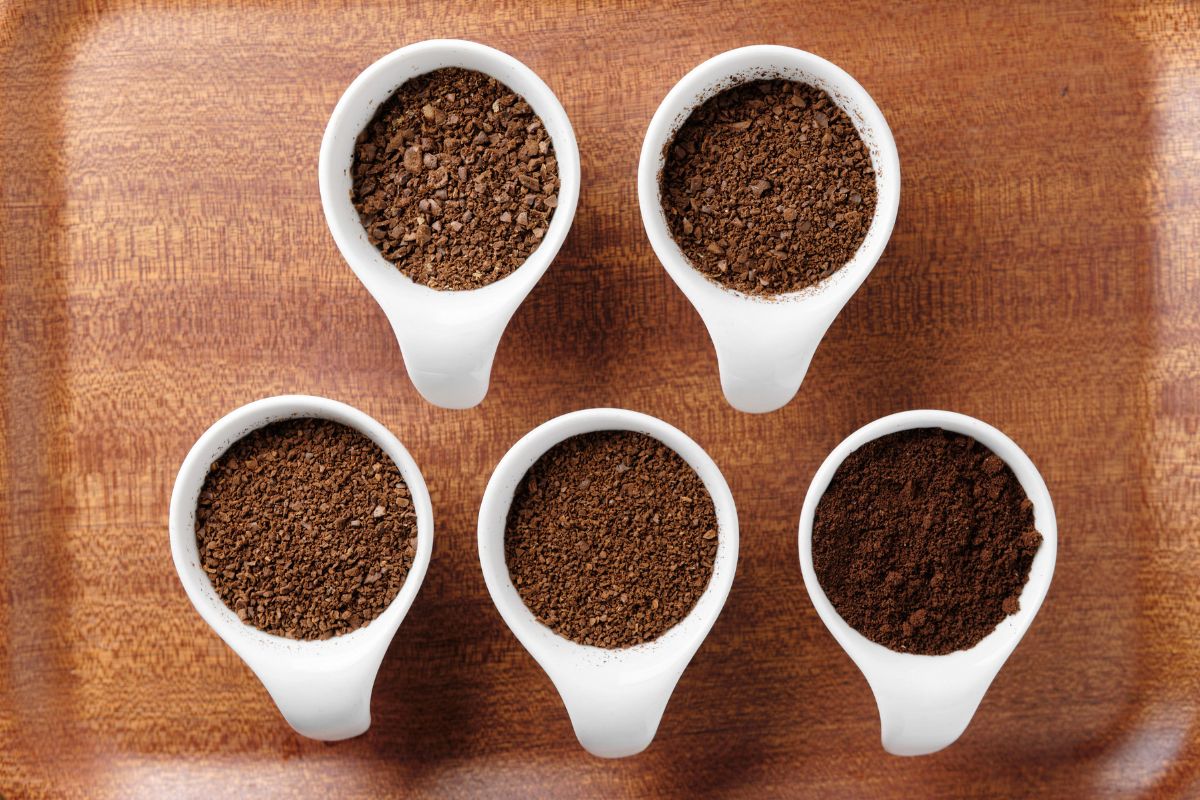
Coffee grind consistency is one of the biggest differences between these two grinder types.
Ideally, the particles in your ground coffee should be relatively similar in size. This allows the water to extract the coffee more evenly during brewing.
A blade grinder can produce a mixture of very fine particles alongside larger pieces. The finer particles may extract more quickly, while the larger pieces take longer. This can make it harder to achieve a balanced cup.
A burr grinder offers much greater control over particle size, making it easier to create a more consistent grind. This is particularly useful if you make coffee regularly or want to fine tune your brewing process.

Grind consistency can have a direct impact on the flavour of your coffee.
If some particles are much finer than others, they can extract more quickly. This can contribute to bitter or harsh flavours, while larger particles may remain under extracted and contribute sour or weak notes.
A consistent grind doesn’t automatically guarantee great coffee, but it gives you a much stronger starting point. You can make adjustments to your grind size and brewing method with greater confidence.
Of course, your grinder isn’t the only factor involved. Freshly roasted beans, water quality, brewing temperature and technique all influence the final flavour too.
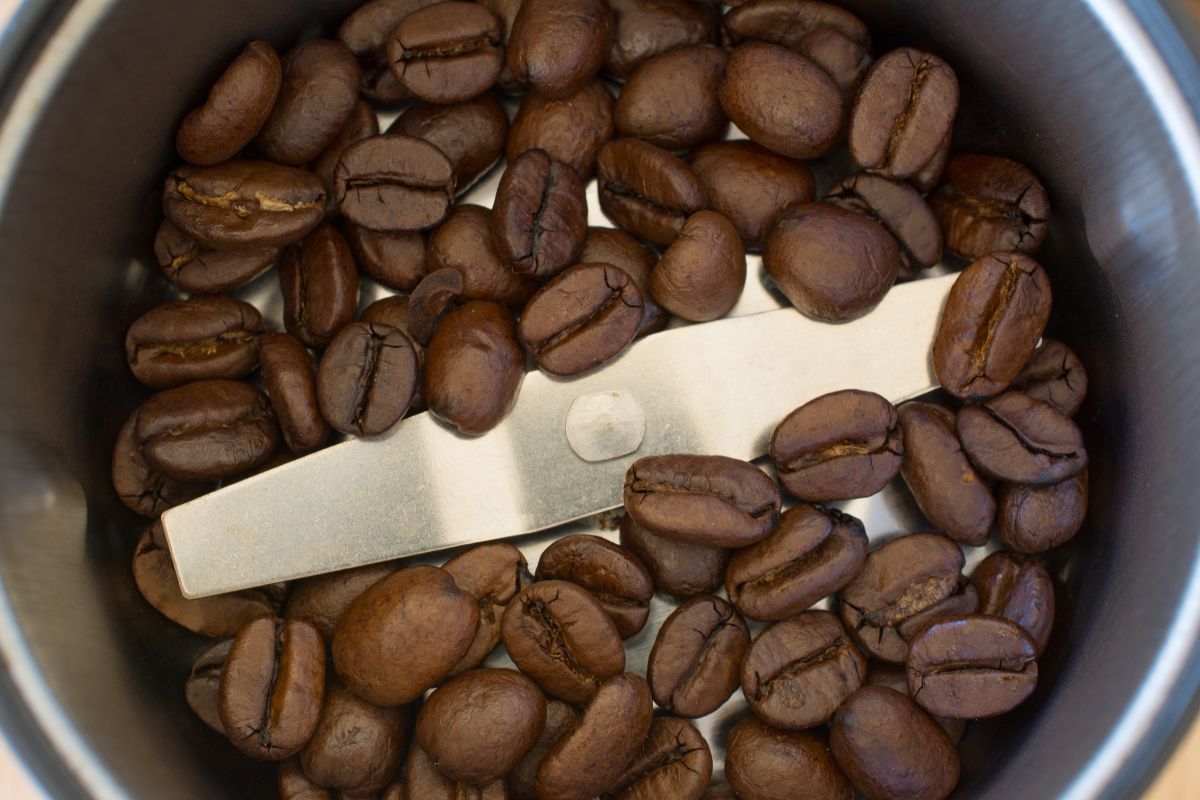
One of the biggest advantages of a blade grinder is its price. They’re generally much cheaper than burr grinders, making them an accessible option for people who are new to grinding coffee at home.
They’re also usually small and straightforward to operate, which can be useful if you have limited kitchen space.
Burr grinders tend to cost more, particularly models offering a wider range of grind settings and more advanced features. However, if you’re drinking freshly ground coffee every day, the additional investment can be worthwhile for the improved control and consistency.
Maintenance is important for both. Regular cleaning helps remove old coffee grounds and oils that can affect flavour over time. With proper care, a good quality grinder should provide reliable performance for years.
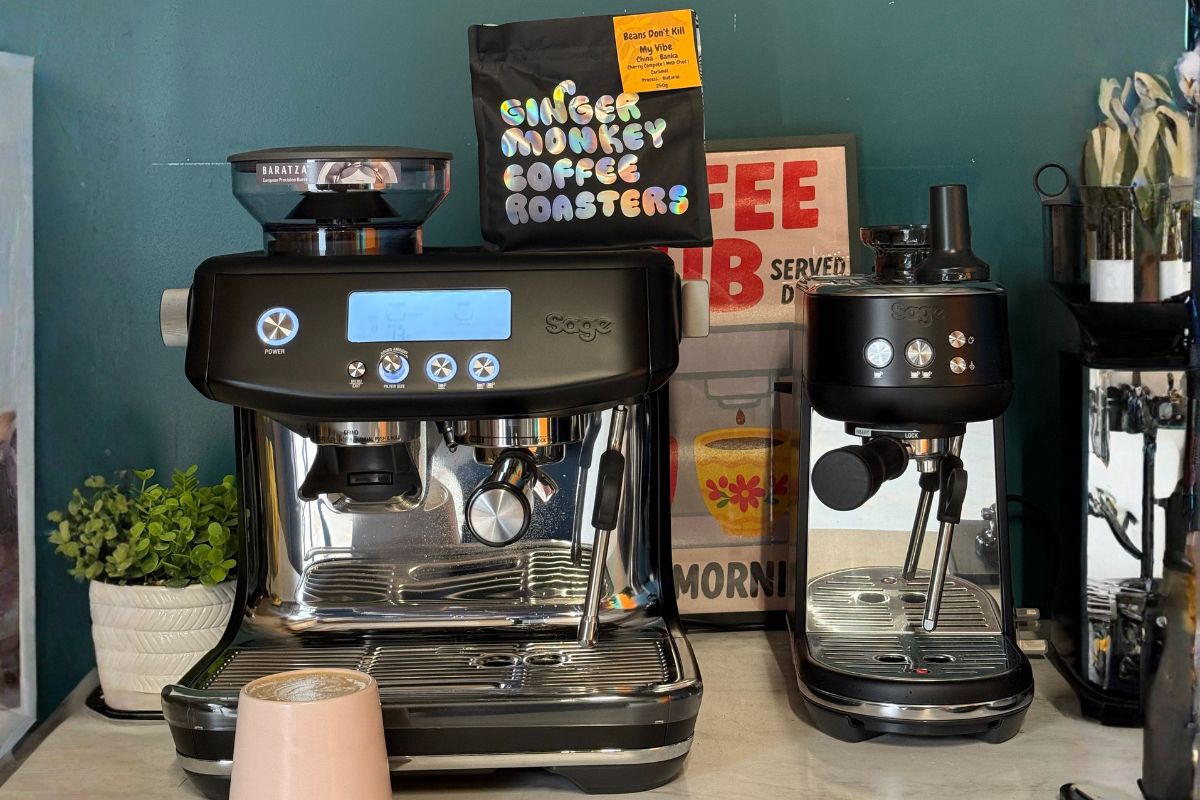
Another option to consider is a coffee machine with an integrated grinder. Rather than purchasing a separate grinder and espresso machine, an integrated system combines both in one appliance. This can be particularly appealing if you want to save space and keep your coffee making routine as straightforward as possible.
The trade off is that you’re investing in one larger machine rather than being able to upgrade your grinder separately. However, for regular espresso drinkers, an integrated burr grinder can offer a convenient balance between freshly ground coffee, grind control and ease of use.
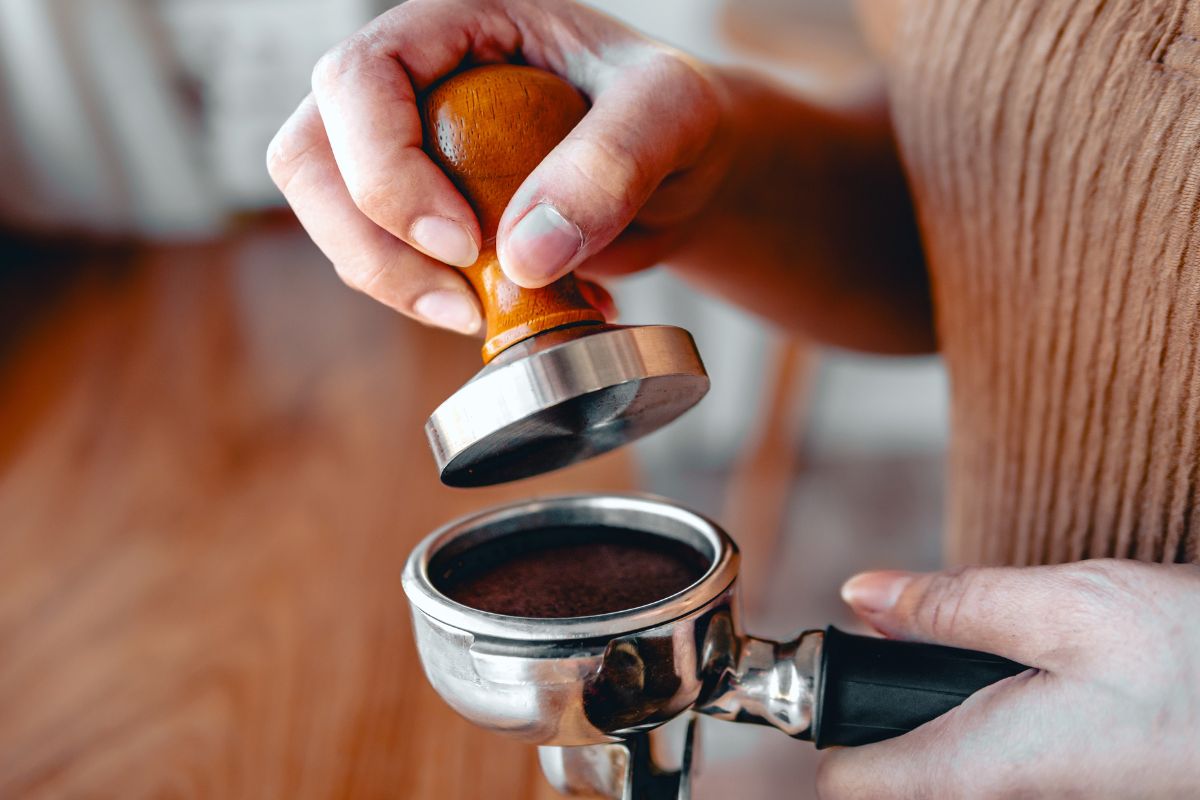
Your brewing method should play a major role in your coffee grinder decision.
For simple brewing methods where precise control isn’t a priority, a blade grinder may be perfectly sufficient, more so if you’re only grinding coffee occasionally.
However, a burr grinder is generally the better option if you’re experimenting with different brewing techniques or want greater control over your results.
Cafetière coffee typically requires a coarse grind, while filter coffee generally benefits from a medium grind. Espresso requires a much finer grind and precise adjustments, making a burr grinder the more suitable choice.
If you’re unsure which grinder to choose, think about the coffee you make most often rather than simply looking for the cheapest option.
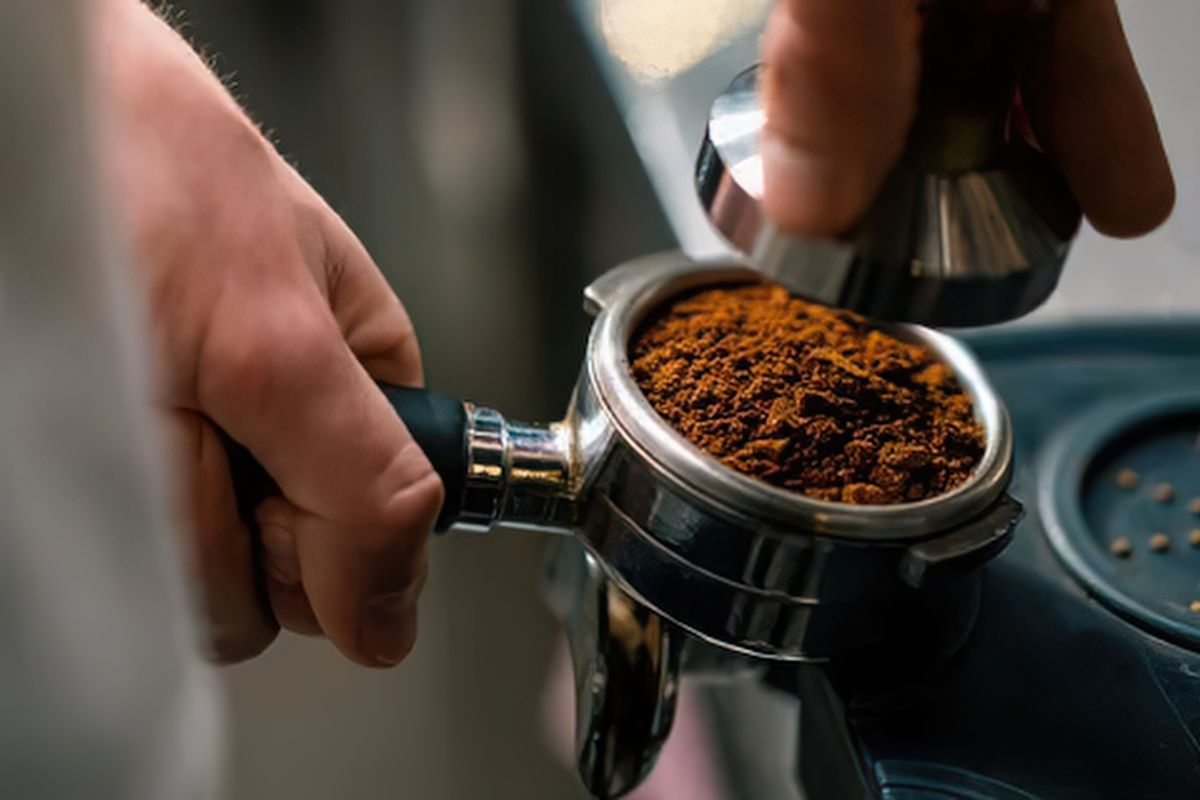
Whatever type of grinder you choose, there are a few common mistakes you will want to avoid.
When it comes to a blade grinder, running the motor for too long can create an uneven mixture of particles. Whereas short pulses can help give you more control over the result.
It’s also important to use an appropriate grind size for your brewing method. A grind that’s too fine or too coarse can significantly affect extraction and flavour.
Regular cleaning is another simple step that’s often overlooked, as old coffee residue can build up inside the grinder and affect the taste of freshly ground beans.
Finally, make sure to measure your coffee consistently and try to keep your grinding process the same when repeating a recipe. This makes it much easier to identify what needs adjusting if your coffee doesn’t taste quite right.
When comparing a blade grinder vs burr grinder, there’s no single answer that works for everyone.
A blade grinder can be a sensible choice if you’re new to freshly ground coffee, drink it occasionally or have a limited budget. As a blade grinder It’s simple, compact and gets the job done.
If coffee is part of your daily routine, however, a burr grinder is generally the stronger investment. The additional control over grind size can make it easier to produce consistent results and experiment with different brewing methods.
Think about how often you drink coffee, what you brew, how much you’re willing to spend and how important consistency is to you.
At the end of the day, the choice comes down to what you want from your coffee routine.
A blade grinder offers affordability and simplicity, while a burr grinder provides greater control and consistency. If you’re looking for an easy and inexpensive introduction to grinding your own beans, a blade grinder can be a good starting point.
For anyone who drinks freshly ground coffee more frequently and wants to get more from their beans, we’d generally recommend investing in a burr coffee grinder. The ability to control your grind size and produce a more consistent result can make a noticeable difference to your brewing.
Whichever you choose, pairing your grinder with freshly roasted, quality coffee beans is a great place to start. Ready to upgrade your coffee setup? Take a look at our range of coffee equipment and find the right option for your brewing routine. If you’re not sure which grinder is best for you, get in touch with the team and they’ll be happy to help.